Meshtastic Meshcore outdoor node mast enclosure

Description
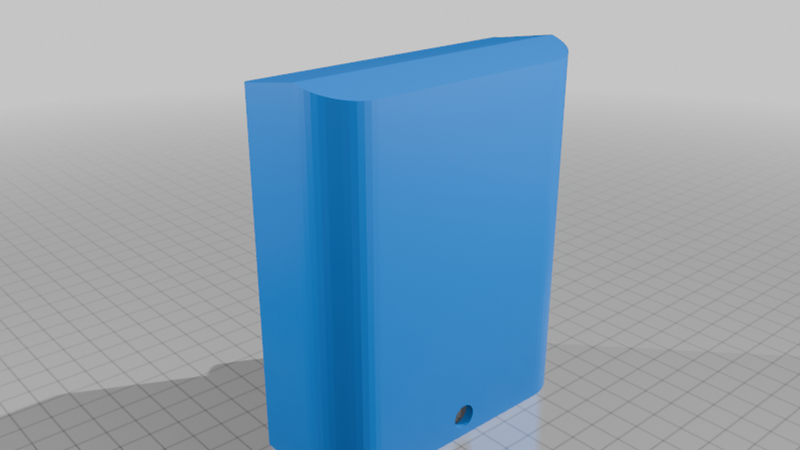
Slide in Type MeshCore / Meshtastic Node Outdoor Enclosure.
This is a 3D-printable outdoor enclosure designed for MeshCore and Meshtastic LoRa mesh network nodes. The enclosure is designed around the Heltec Wireless Stick Lite V3 (WSL V3) and provides space for an external RP-SMA antenna connection, a Li-Ion battery pack with BMS, and a PG7 cable gland.
The entire enclosure is designed to be printed from PET-G, making it suitable for outdoor installations where good mechanical strength, temperature resistance, and resistance to moisture are required.
🧩 Modular 3-Piece Design
The enclosure uses a modular three-piece construction that makes assembly, installation, and servicing much easier.
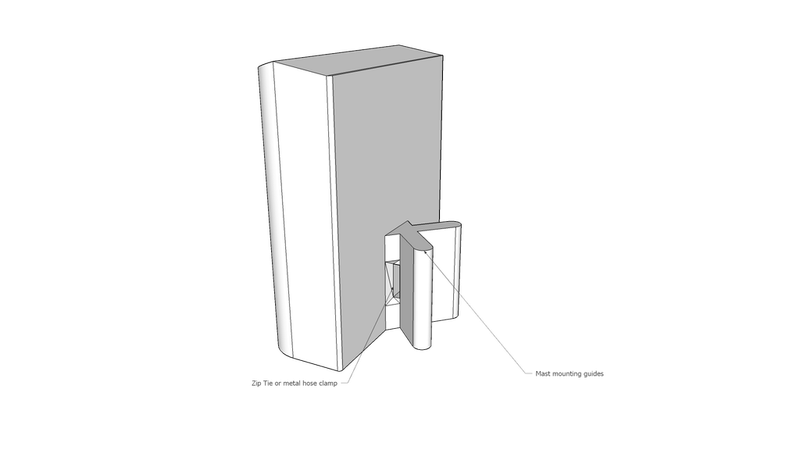
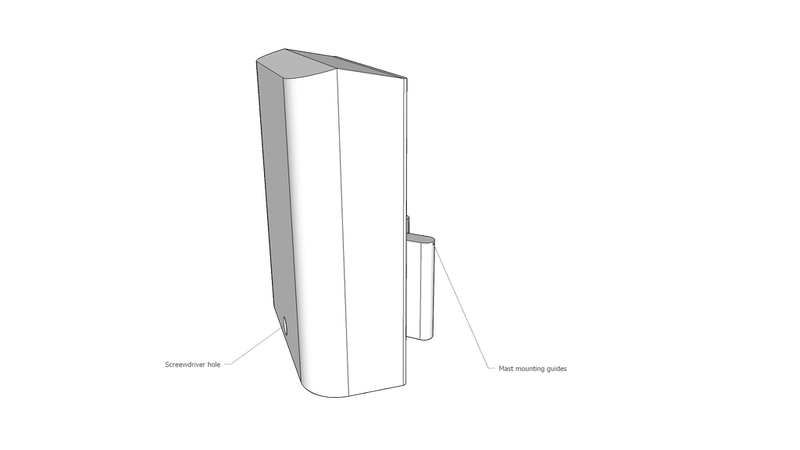
The main enclosure is designed for mounting directly to a mast or pole using either a plastic zip tie or a metal hose clamp. Dedicated mast mounting guides on the rear of the enclosure help keep the unit securely positioned on the mast.
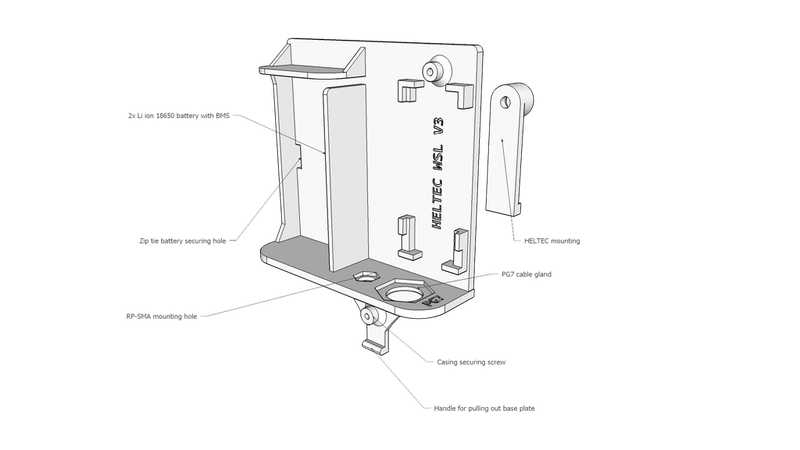
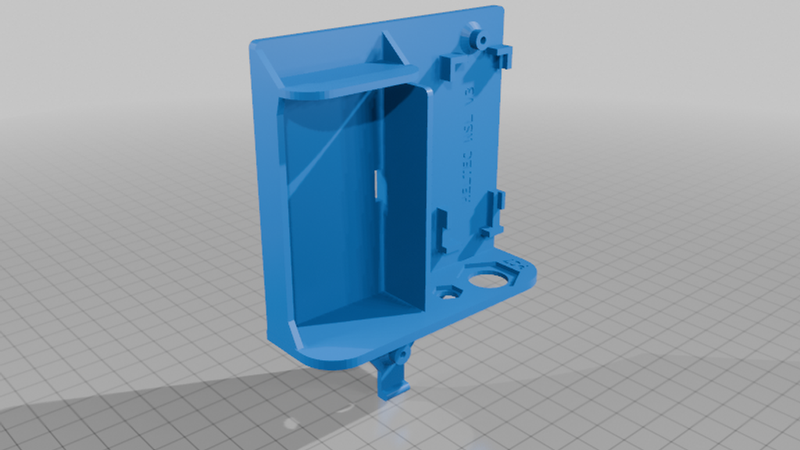
The second part is a removable mounting plate on which all of the electronics and accessories are installed:
- Heltec WSL V3
- RP-SMA antenna pigtail
- Li-Ion battery pack with BMS
- PG7 cable gland
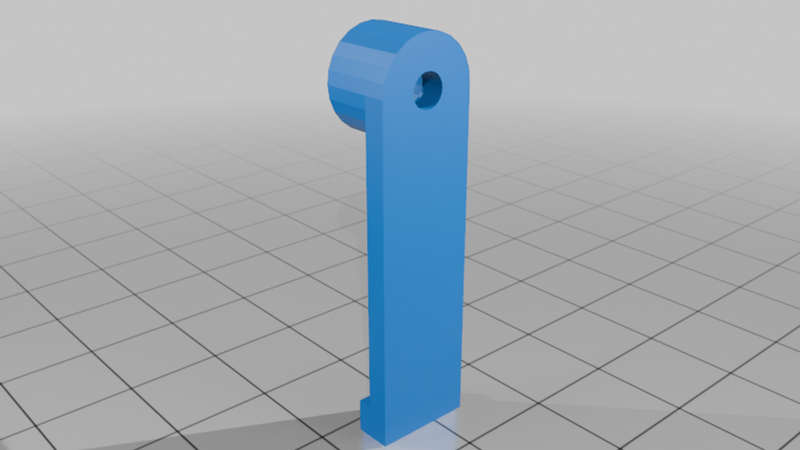
Once the components are installed and wired, the complete mounting plate can simply be slid into the main enclosure. It is then secured with a single screw, allowing the electronics to be removed quickly for maintenance or configuration without having to dismantle the entire enclosure from the mast.
📡 Antenna Connection
The enclosure includes a dedicated mounting hole for an RP-SMA bulkhead connector / pigtail, allowing the LoRa antenna to be mounted externally while keeping the radio electronics protected inside the enclosure.
🔋 Li-Ion Battery / Power Supply
There is dedicated space for a Li-Ion battery pack. The design shown uses two 18650 cells with a BMS, providing an independent power source for the node.
The battery is mechanically secured to the mounting plate, while the wiring can be routed through the enclosure as required. The mounting plate also provides space for a DC-DC converter, allowing the node to be powered from other suitable power sources when a battery pack is not required.
🔌 Cable Entry
A PG7 cable gland is provided for power or other external wiring. The gland provides a secure cable entry point while helping protect the inside of the enclosure from dust and moisture.
🗼 Mast Installation
The rear of the enclosure features integrated mast mounting guides. The enclosure can be attached to a pole or mast using:
plastic zip ties for a simple and lightweight installation, or
a metal hose clamp for a more permanent and robust installation.
The mounting system does not require drilling or additional brackets.
🔧 Easy Service & Maintenance
One of the main goals of the design is easy access to the electronics.
Instead of mounting the Heltec board, battery, and antenna components directly inside the enclosure, they are installed on the removable mounting plate. The complete assembly can then be pulled out of the enclosure after removing the single securing screw.
This makes it much easier to:
replace or charge the battery,
access the Heltec WSL V3,
change the antenna pigtail,
modify the wiring,
update or reconfigure the node,
perform maintenance without removing the enclosure from the mast.
🖨️ 3D Printing
The enclosure is intended to be printed from PET-G. PET-G was chosen as a good compromise between printability, mechanical strength, and suitability for outdoor use.
Recommended print settings may vary depending on the printer and filament, but the design is suitable for typical FDM/FFF 3D printing.
The enclosure is intended for use with MeshCore or Meshtastic-compatible hardware, but the design can also be adapted for other LoRa-based mesh networking projects using a similar form factor.
Designed with simplicity, serviceability, and outdoor installation in mind.
⚠️ Li-Ion Battery Safety Disclaimer
If Li-Ion cells are installed inside the enclosure, installation in direct, full sunlight is not recommended, especially when using a black or other dark-colored filament. Dark colors absorb significantly more solar radiation and can cause the internal temperature of the enclosure to rise considerably.
For installations exposed to direct sunlight, consider printing the enclosure using a light-colored filament, which absorbs less solar radiation and can help reduce heat buildup inside the enclosure.
Regardless of the filament color, avoid exposing Li-Ion batteries to excessive temperatures and make sure the selected cells and BMS are suitable for the expected environmental conditions.
The designer is not responsible for damage or hazards resulting from improper installation, battery selection, or exposure to excessive temperatures.