Robotic Manipulator
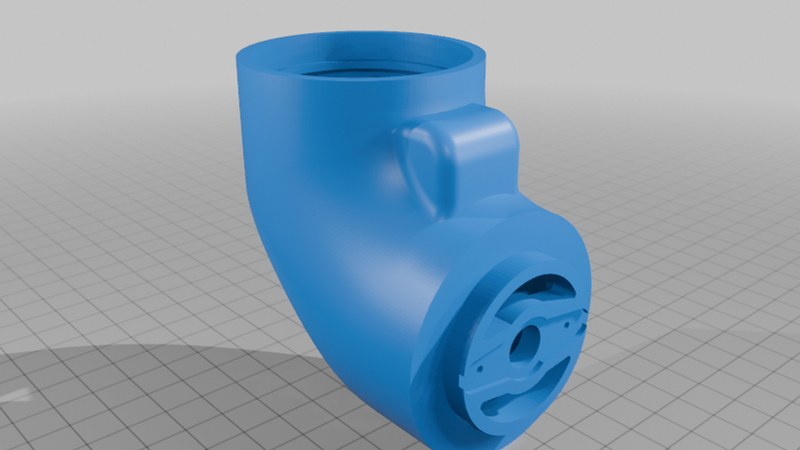
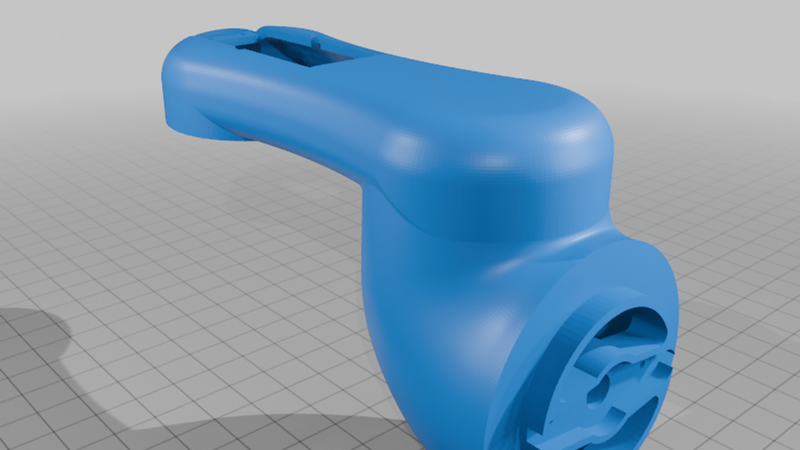
Description
Educational Robotic Arm – Second Generation
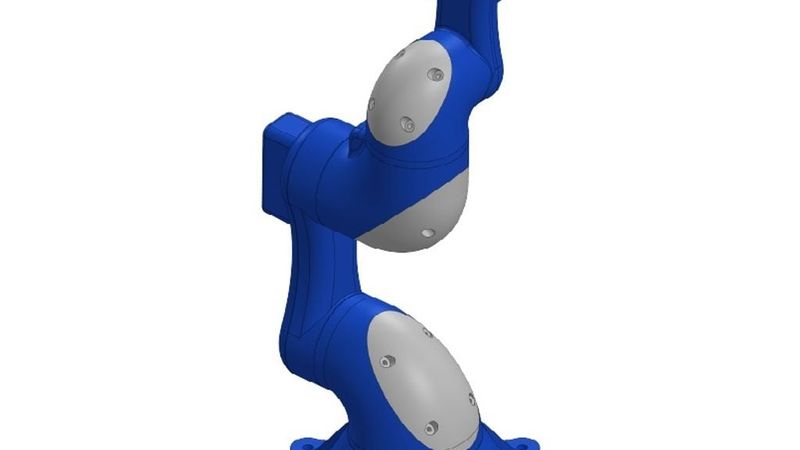
This project presents the second generation of an open-source educational robotic arm, created by mechanical engineering students to explore robotics, automation, programming, mechanical design, and additive manufacturing.
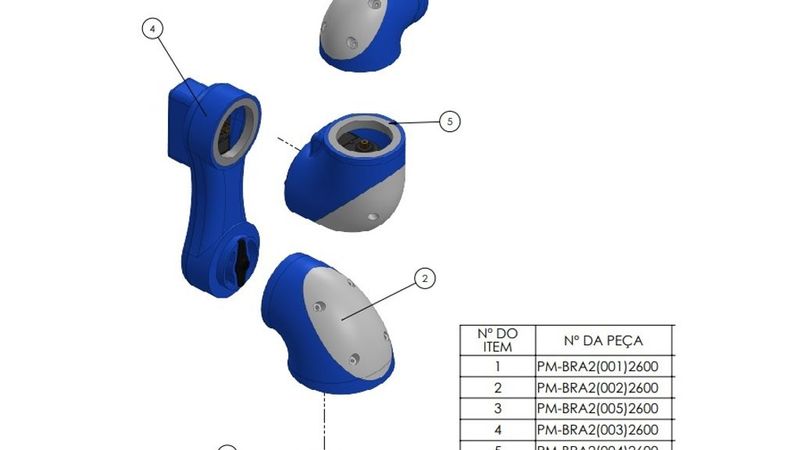
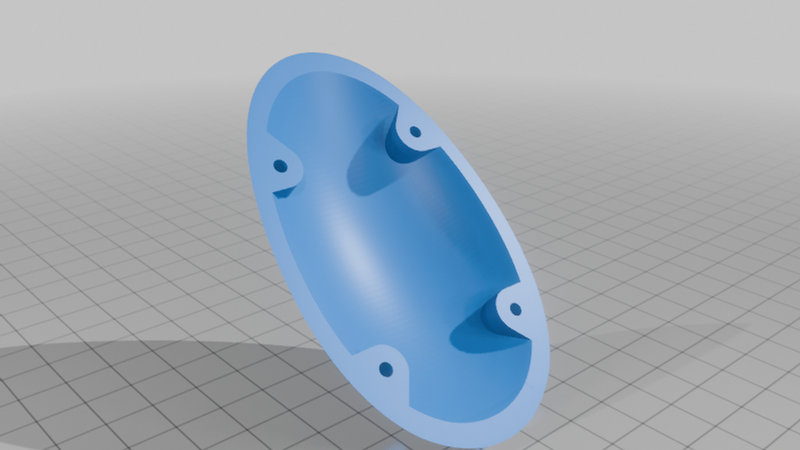
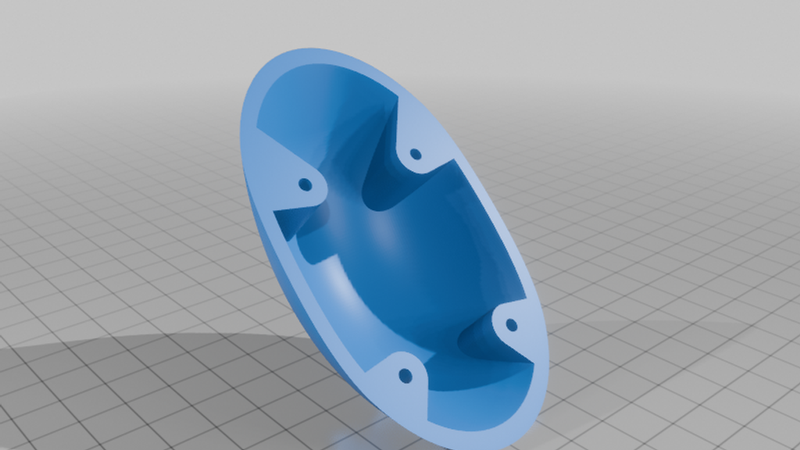
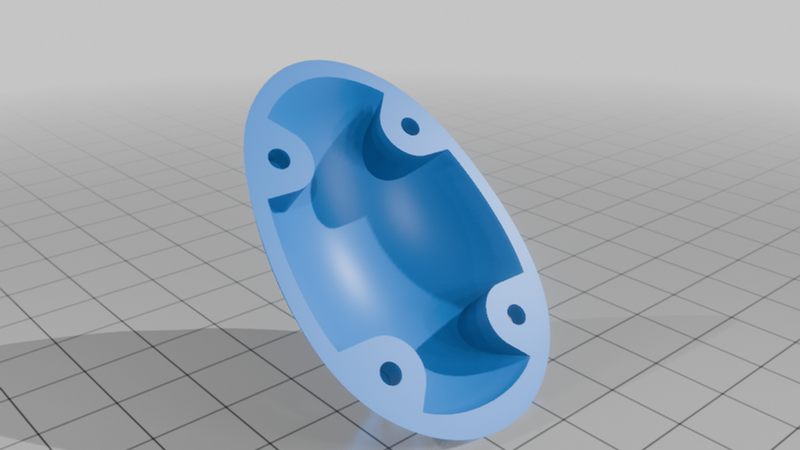
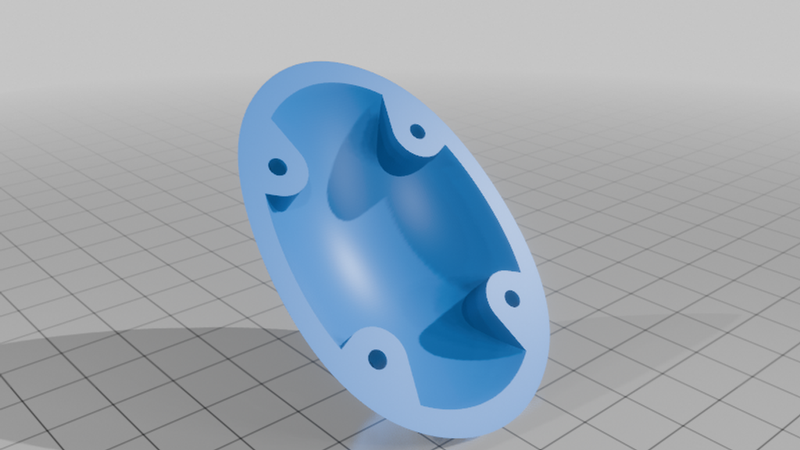
The project was created as an evolution of a previous robotic arm, incorporating several mechanical, structural, and software improvements. The new version features a lighter and more organized structure, redesigned mechanical components, an improved kinematic and mechanical design for the gripper, and new functions in the control system.
A key feature of the project is its Java-based graphical control interface, which allows the user to control the robotic arm, save individual positions, create sequences of movements, and reproduce programmed trajectories. The Arduino-based controller manages the motors and communicates with the computer, providing an accessible platform for learning the fundamentals of robotic manipulation and automation.
The development also includes technical documentation, assembly instructions, functional testing, 3D-printable components, and the source code required to operate the system.
Open and Replicable Project
One of the main objectives of this project is to make robotics more accessible. Therefore, the project follows an open and replicable approach, making the resources available to students, educators, makers, and robotics enthusiasts.
The shared files include:
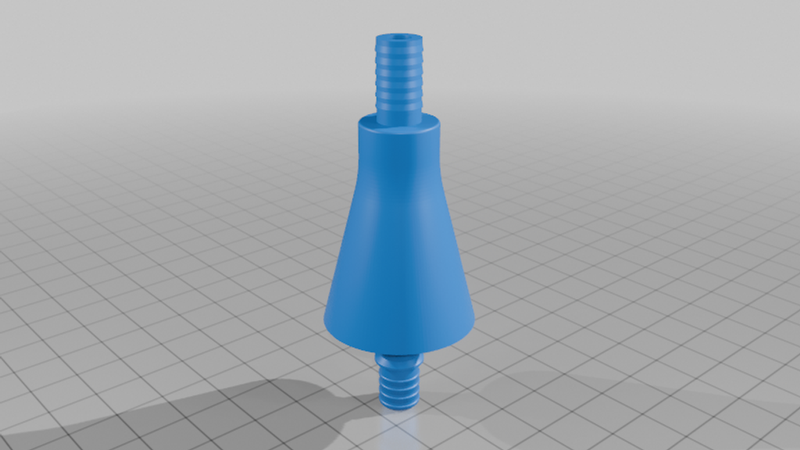
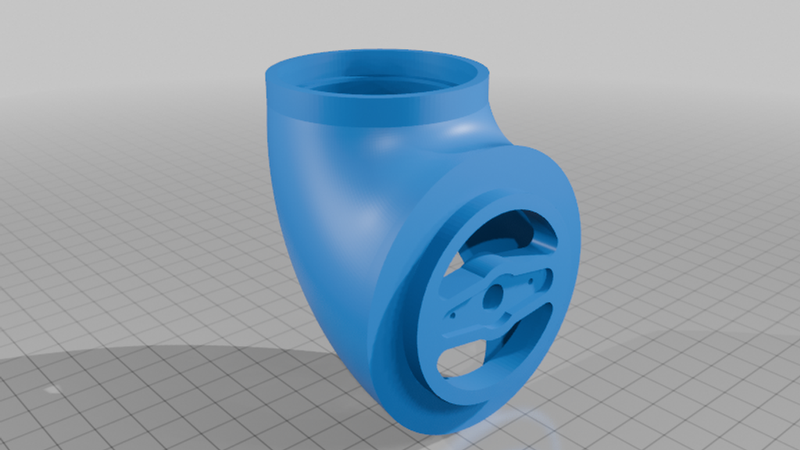
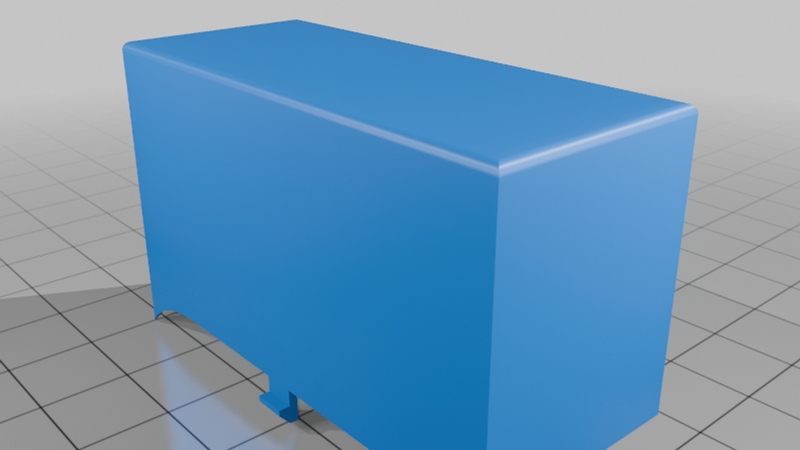
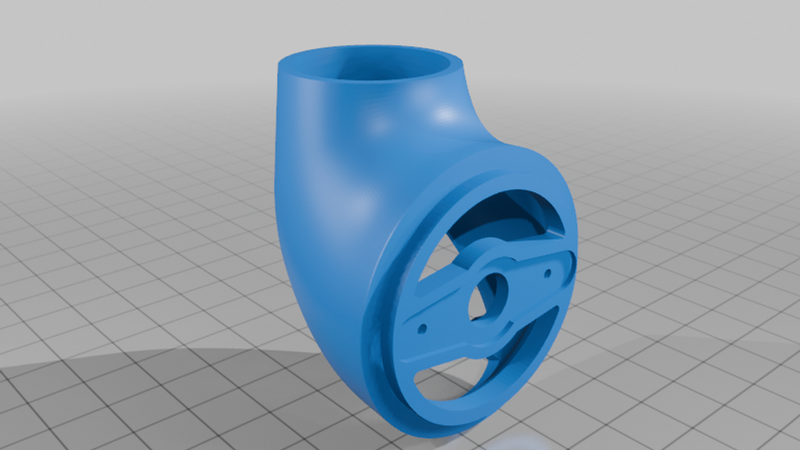
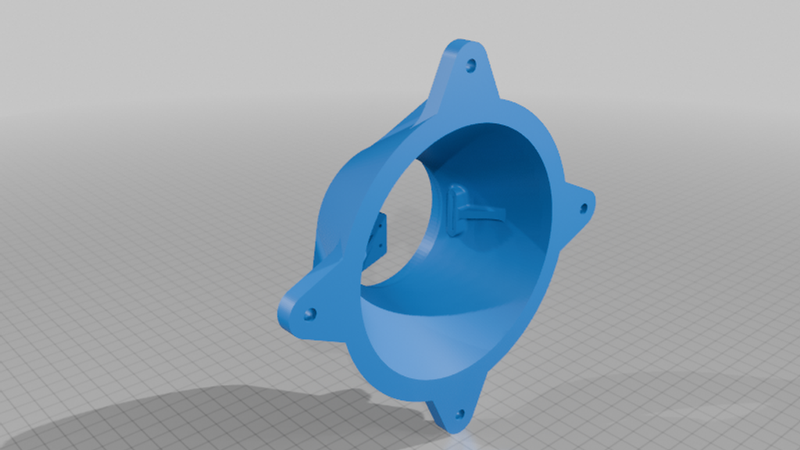
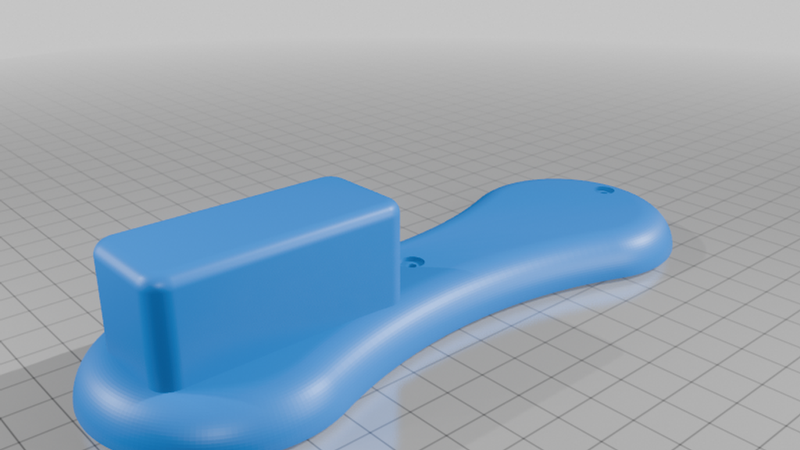
3D-printable structural components;
Arduino source code;
Java control software;
Assembly documentation;
The components are designed for FDM 3D printing, allowing the robotic arm to be manufactured using commonly available desktop 3D printers.
Educational Purpose
The robotic arm was developed primarily as an educational and experimental platform. It can be used to demonstrate concepts related to:
Robotics and automation;
Robot kinematics;
Mechanical design;
Computer programming;
Arduino and embedded systems;
Human-machine interfaces;
Motion programming;
Additive manufacturing;
Digital fabrication.
The ability to record and reproduce positions makes the system particularly useful for demonstrating how robotic manipulators can be programmed to perform repetitive tasks.
Sharing Knowledge
This project is also part of an initiative to disseminate robotics and digital fabrication beyond the university environment. By making the models, software, documentation, and development methods openly available, the project encourages students, schools, educators, makers, and enthusiasts to build their own robotic systems, modify the design, and develop new applications.
The goal is not only to provide a finished robotic arm, but also to provide a starting point for learning, experimentation, and innovation.
Feel free to download, build, modify, improve, and share your own developments based on this project. If you create a new version or application, sharing your results with the community can help the project continue to evolve.