Math Gear Clock: Time Told by Geometry
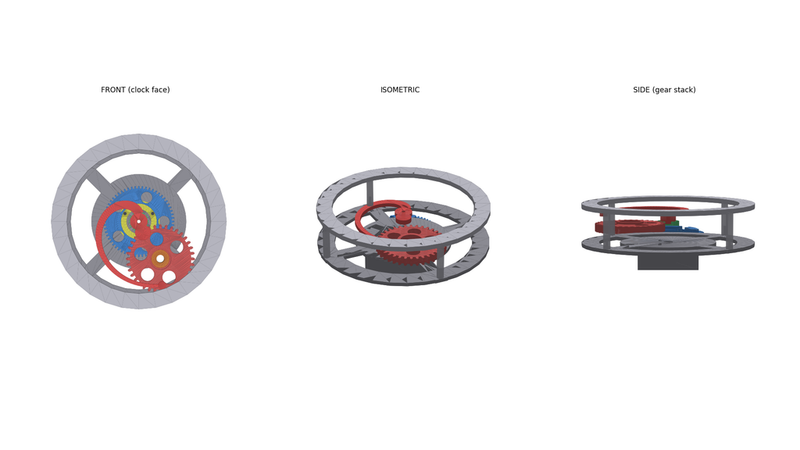

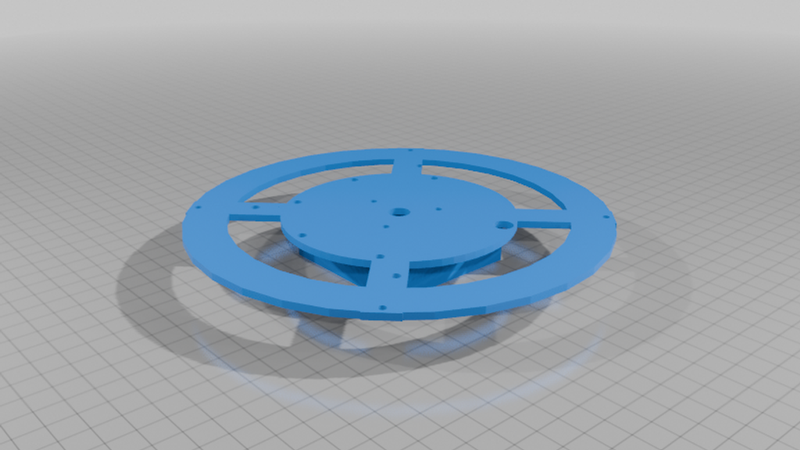
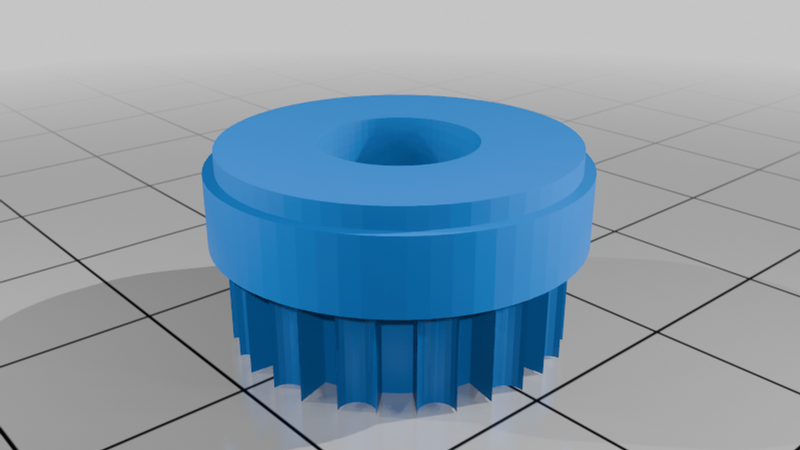
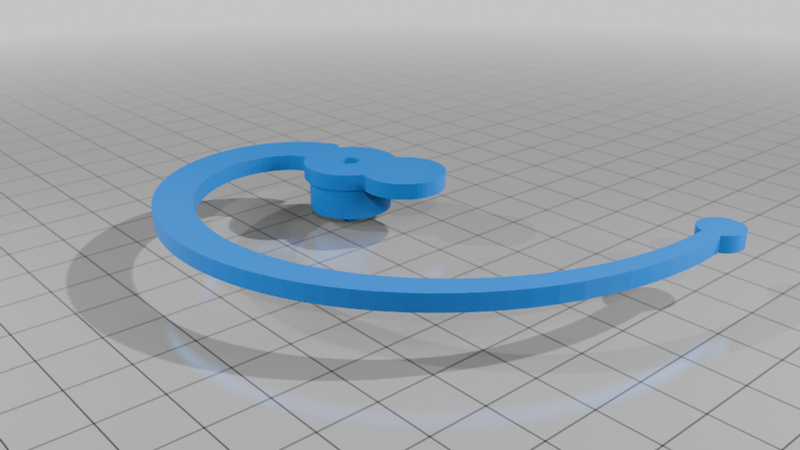
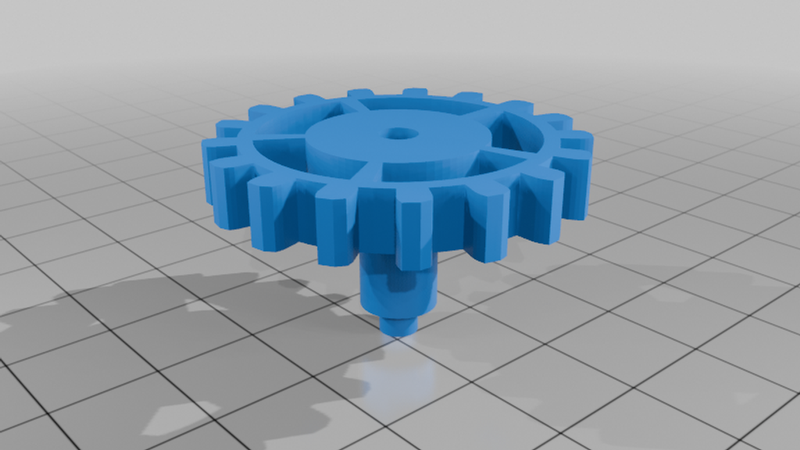
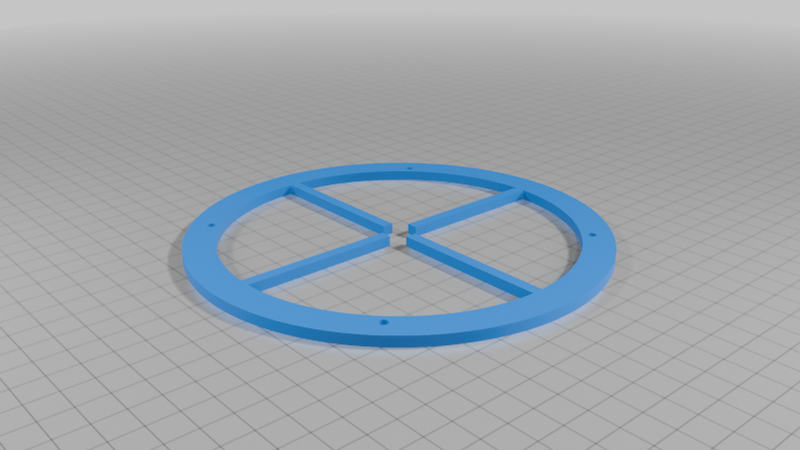
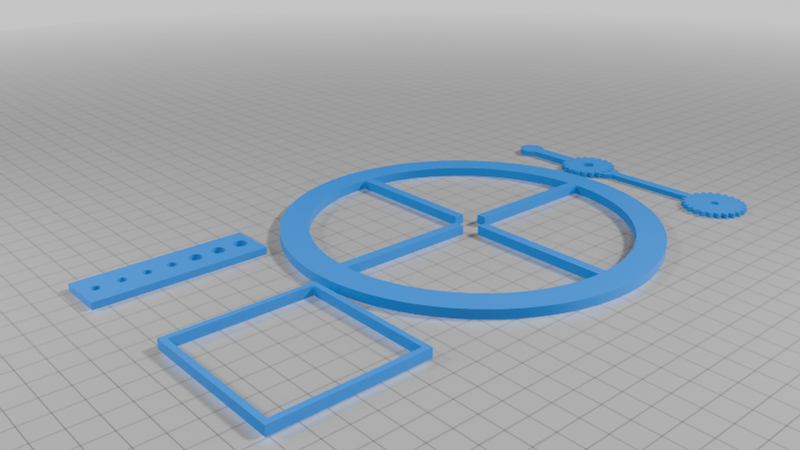
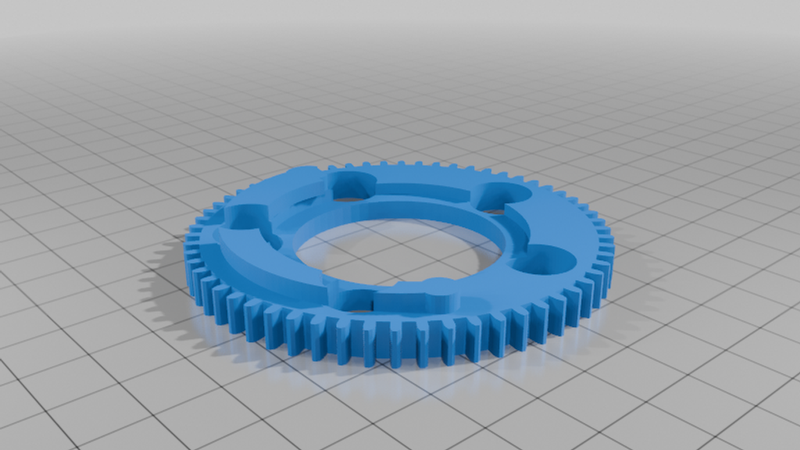
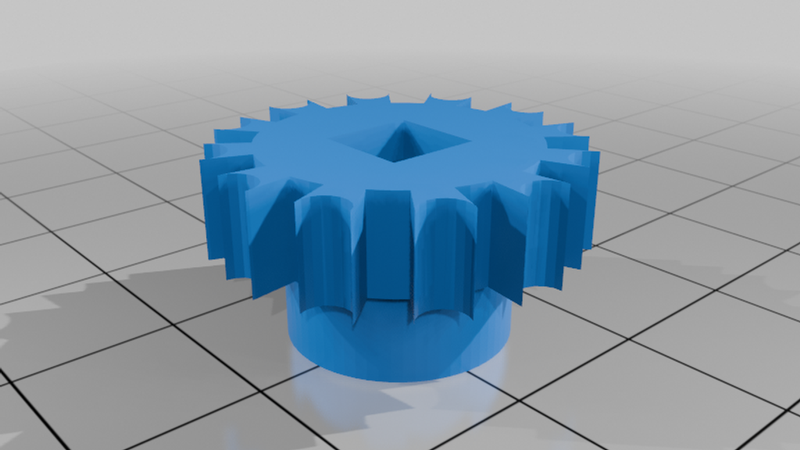
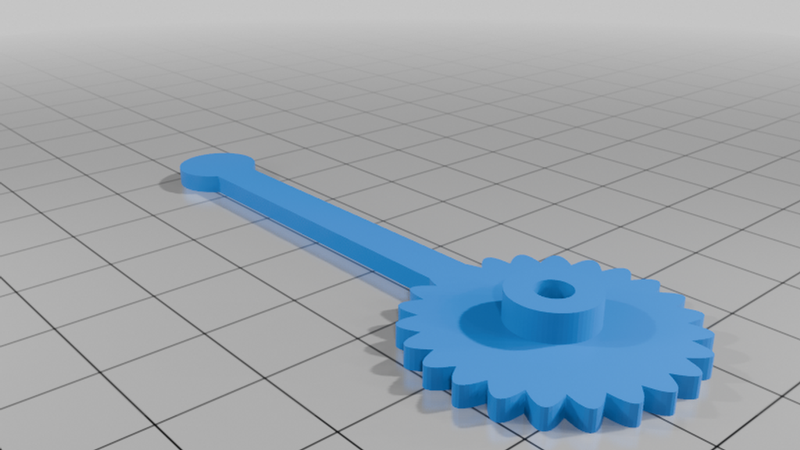
Description
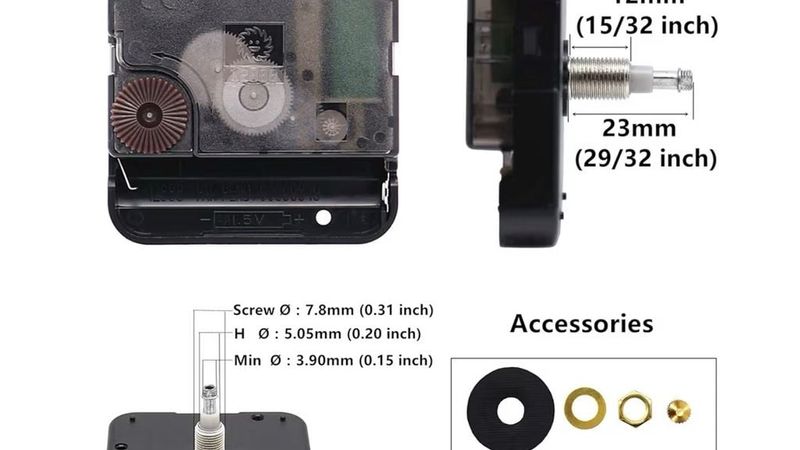
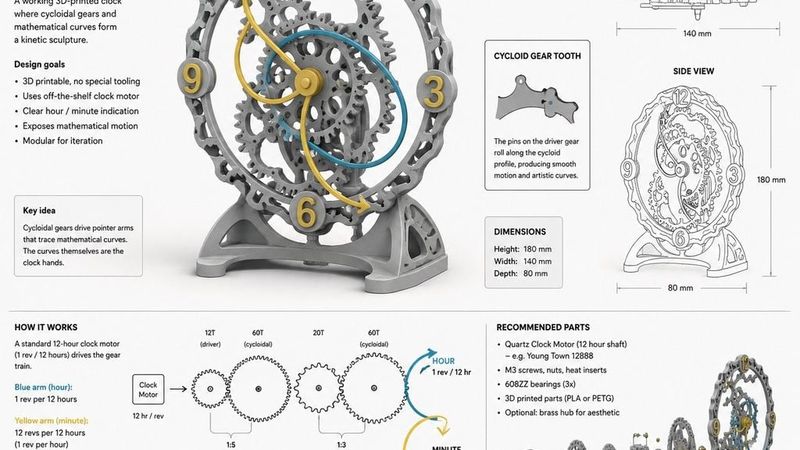
A standard quartz clock movement drives the yellow minute arm directly from its minute
shaft. A visible two-stage cycloidal gear train (12T:36T, then 15T:60T = exactly 12:1)
reduces that motion down to a large 60-tooth hour wheel carrying the blue hour arm. Both
arms sweep clockwise, tracing spiral curves across a Ø180 mm face packed with skeletonized
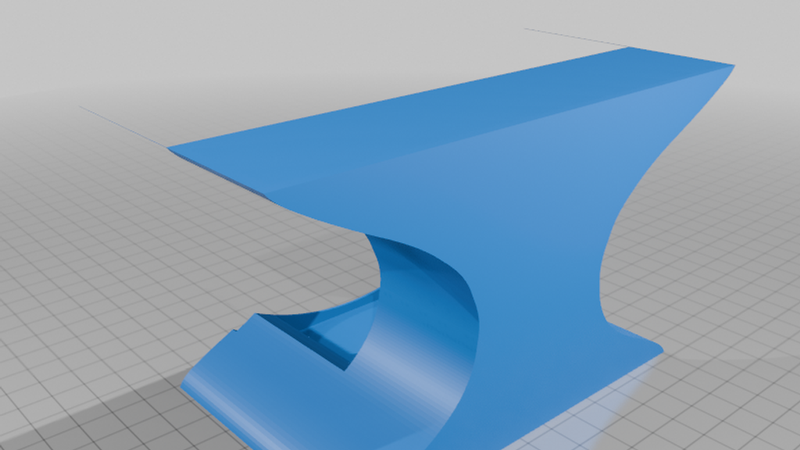
decorative gears, ringed by engraved numerals, on a sculpted Art-Nouveau pedestal.
Why this arrangement matters: the movement only ever sees its normal load plus light
reduction-train friction. Designs that gear UP from the hour output multiply torque demand
~12x and stall quartz motors. This one is horologically correct.
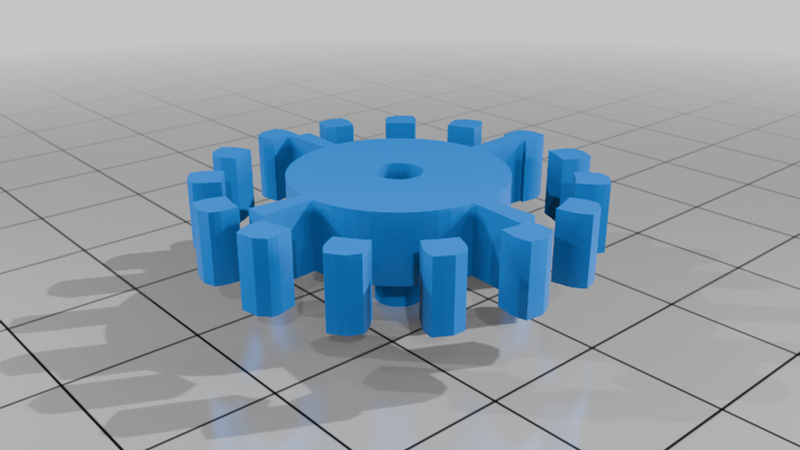
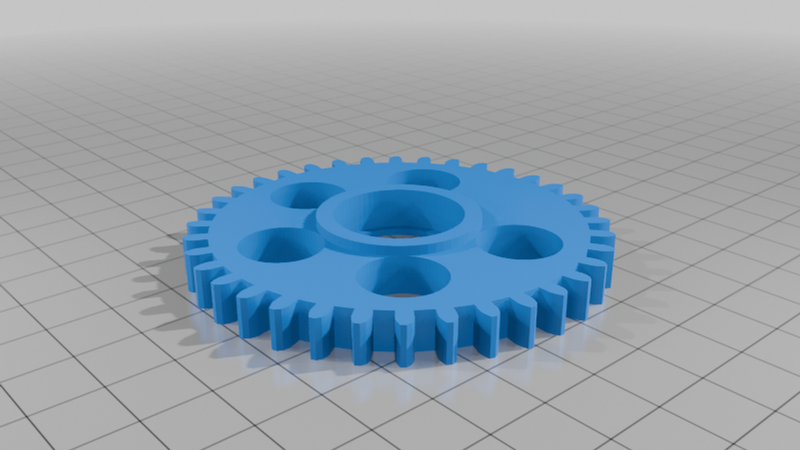
The gears are true clockmaker's cycloidal profiles — epicycloidal faces on the wheels,
radial flanks with rounded leaf tips on the pinions — which tolerate FDM printing and low
tooth counts far better than involute gears (a 12T involute pinion undercuts badly; a 12T
cycloidal pinion is happy).
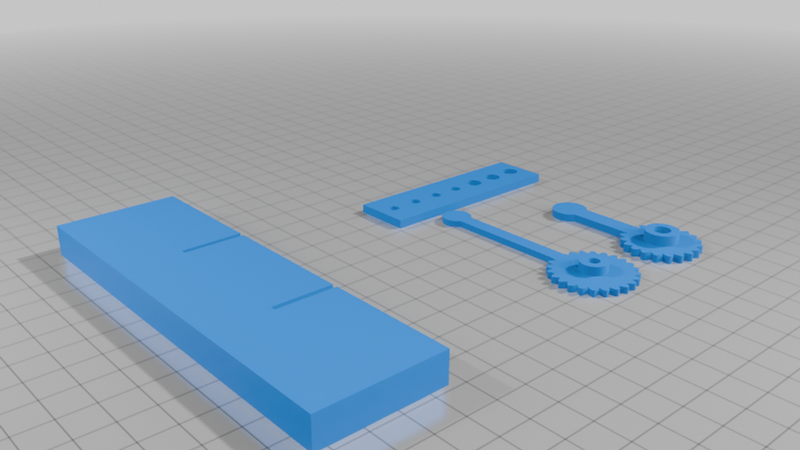
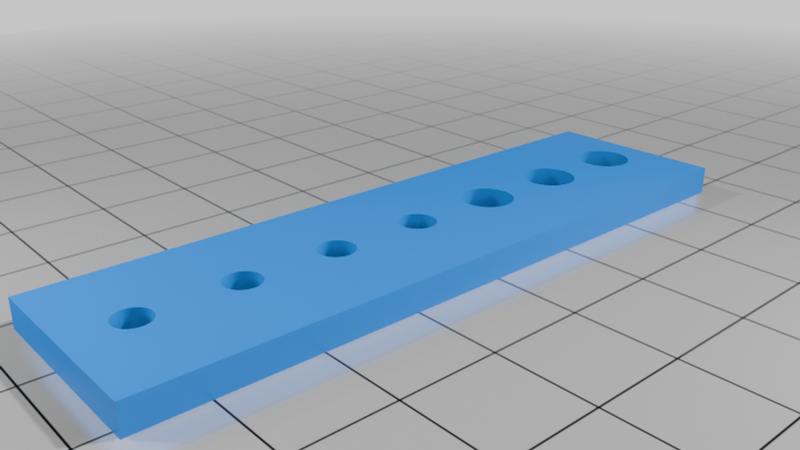
PRINT THE COUPON FIRST
Part 09 is a fit-test coupon (~25 g, under an hour) that tests every critical interface
before you commit ~180 g to the clock: 608ZZ bearing pocket, M8 bore, both movement shaft
bores, the arm key joint, movement pocket width, the hour-wheel journal (with a loose test
ring), M3 pilots, decorative peg fit, and a 100.0 mm calibration bar for printer scale.
Nine pass/fail checks with fixes are in README_09_FIT_TEST.md. If all nine pass with your
profile, the clock will assemble.
WHAT'S IN THE FILES
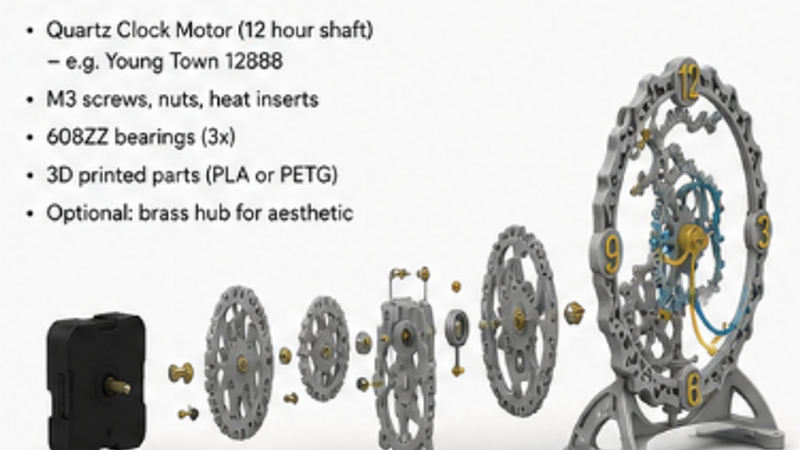
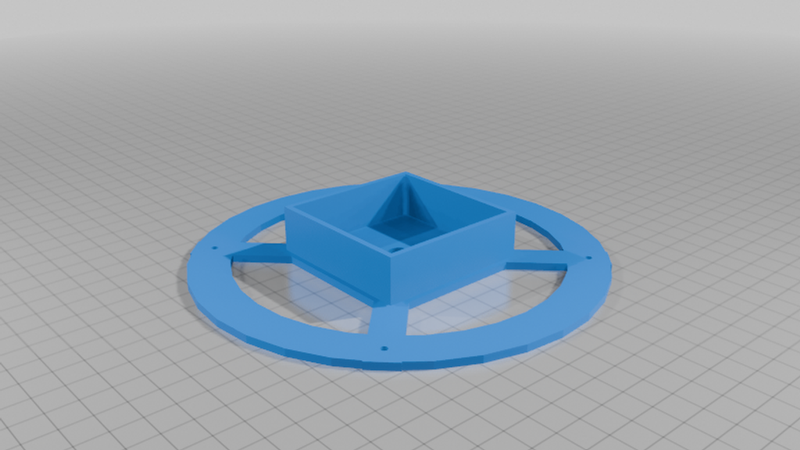
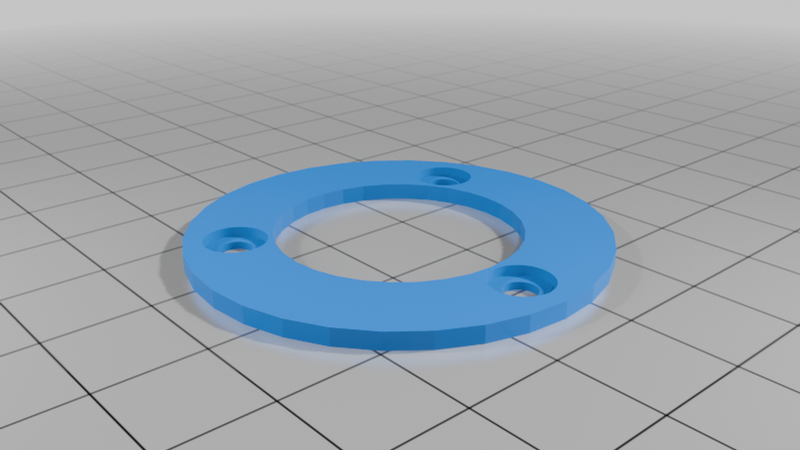
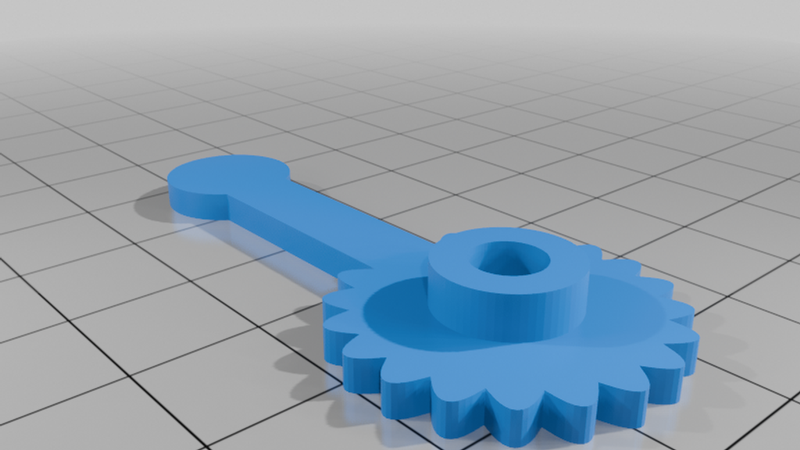
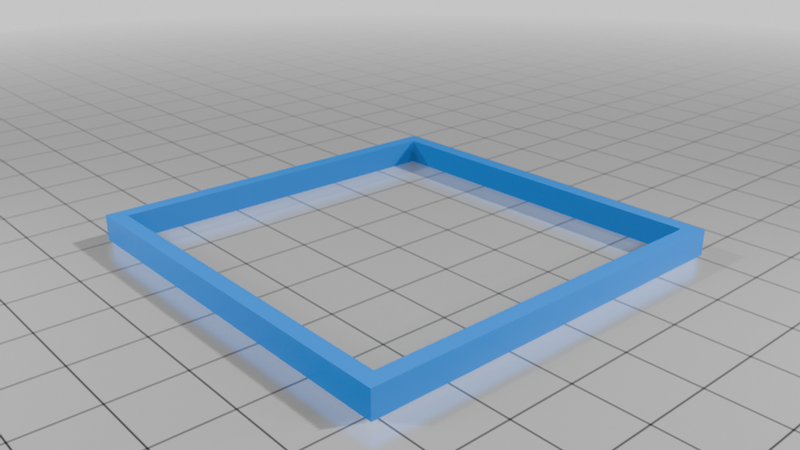
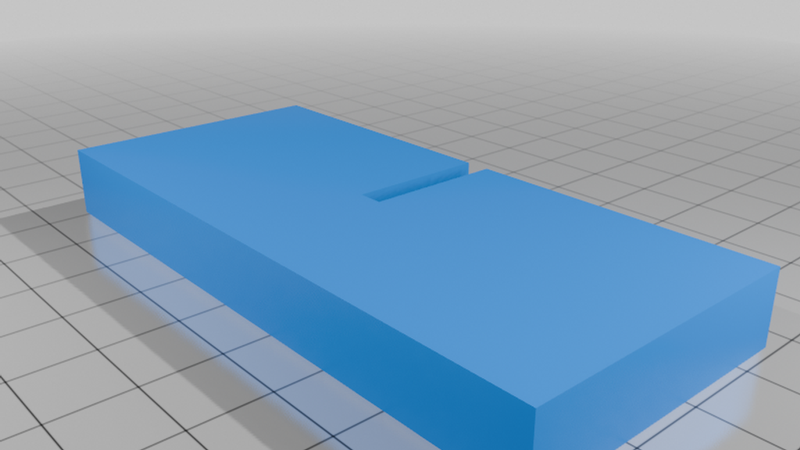
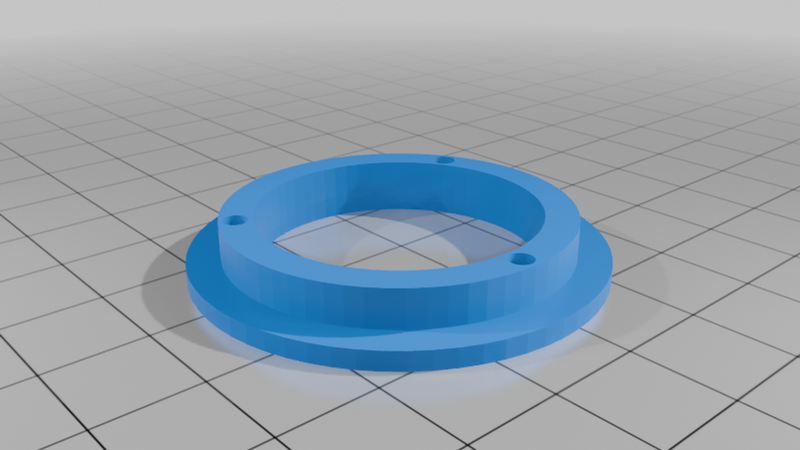
22 printable parts (00–21): backplate face, 60T hour wheel with integral arm, two-piece
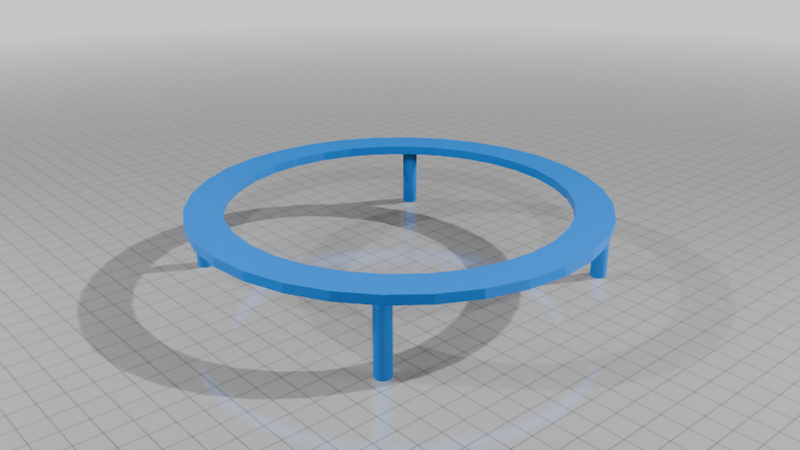
compound idler, 12T minute pinion, minute arm, journal boss, retainer ring, numeral ring,
curvy pedestal base, and two decorative gear designs (print 8x low + 5x high). Three
READMEs cover the mechanism, the aesthetic/paint scheme, and the fit-test procedure, plus
a peg-hole layout map for the 13 decorative gears.
HARDWARE (non-printed)
- 1x quartz movement, 16888/12888 type, HIGH-TORQUE sweep version, long-shaft variant
(the train adds light friction; the standard-torque version may struggle)
- 1x 608ZZ bearing (8x22x7) — yes, just one; the pinion rides the movement shaft and the
hour wheel rides a printed journal
- 1x M8x30 partially threaded bolt + M8 jam nut (DIN 439) — idler axle
- 3x M3x8 countersunk, 3x M3x8, 4x M3x12
- The movement's own hands are NOT used; the printed arms replace them.