TP4056 LI-ION BATTERY CHARGER CASE WITH VOLTAGE & CURRENT METER

Description
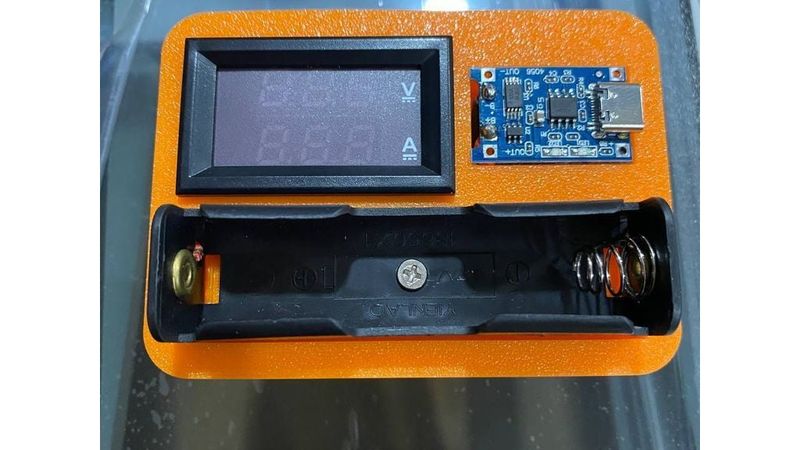
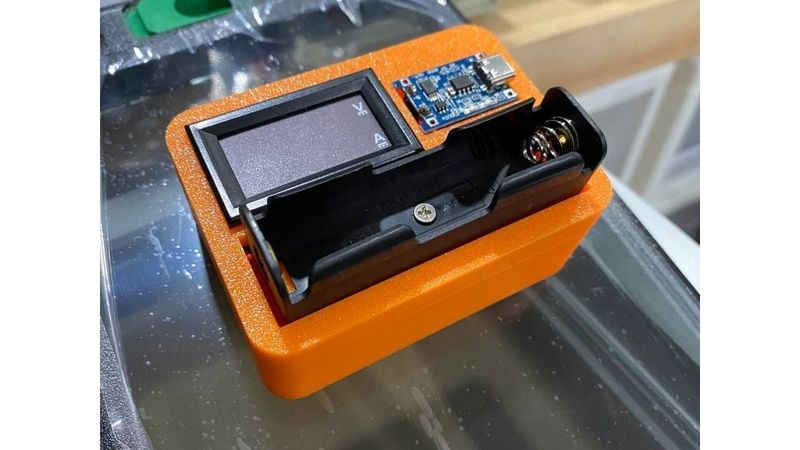
A compact 3D-printable enclosure for a DIY single-cell Li-ion battery charger. This project combines a TP4056 charging module, battery holder, and a small voltage/current meter, making it easy to monitor the charging status.
Suitable for 3.7V Li-ion cells such as 18650 single-cell rechargeable batteries, depending on the battery holder used.
youtube : https://www.youtube.com/shorts/A2EqT6i-jcE
FEATURES
• Designed for a TP4056 Li-ion charging module
• Built-in space for a battery holder
• Front window for a digital voltage/current meter
• USB charging port access
• Compact and easy-to-assemble design
• Great for DIY electronics projects, workbench use, or battery testing
REQUIRED PARTS
• 1 x TP4056 lithium battery charging module
• 1 x Single-cell Li-ion battery holder
• 1 x Mini digital voltage/current meter
• Small wires
• USB 5V power supply
• Screws, hot glue, or double-sided tape for assembly
PRINT SETTINGS
• Layer Height: 0.20 mm
• Wall Count: 3–4 walls
• Infill: 15–25%
• Material: PLA or PETG
• Supports: tree
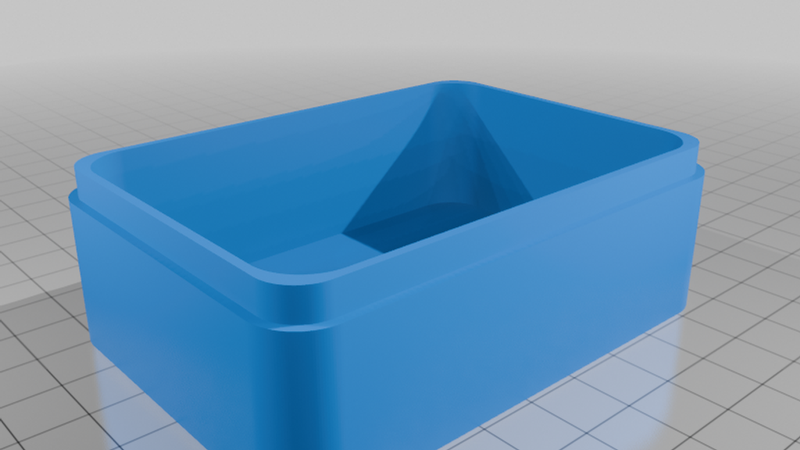
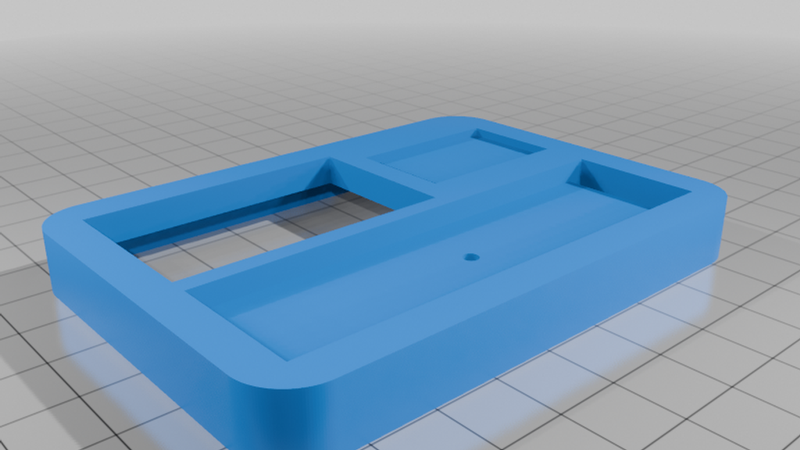
• Print Orientation: Print the main case flat on the build plate
ASSEMBLY
1. Install the TP4056 module into its slot and align the USB port with the case opening.
2. Install the battery holder in the designed position.
3. Connect the battery holder to the TP4056 battery terminals: B+ and B-.
4. Install the voltage/current meter and wire it according to your meter model.
5. Double-check polarity before connecting a battery or USB power.
6. Secure all components with screws, hot glue, or double-sided tape.
7. Close the case and test the charger with a known good Li-ion battery.
IMPORTANT SAFETY NOTES
• This design is for one 3.7V Li-ion cell only.
• Do not use it with 2S, 3S, or any battery pack connected in series.
• Always check positive and negative polarity before connecting the battery.
• Do not charge damaged, swollen, leaking, or unknown-condition batteries.
• Use a reliable 5V USB power supply.
• Do not leave batteries charging unattended for long periods.
• Some TP4056 boards include battery protection, while others do not. Check your module before use.