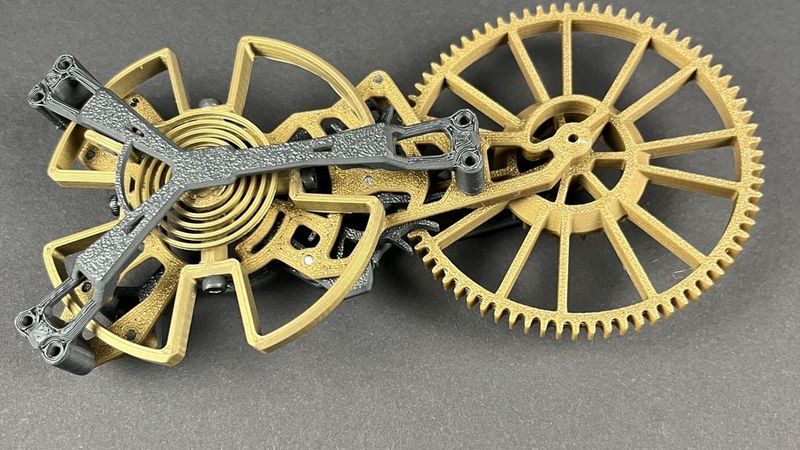
The remontoir gravity escapement mechanism





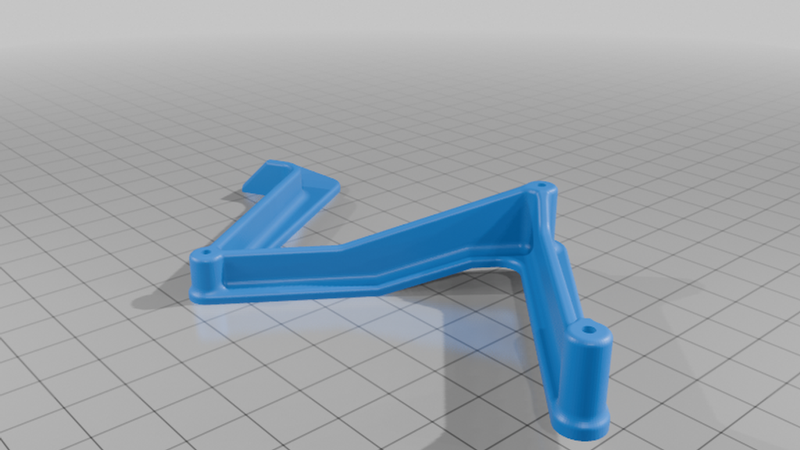
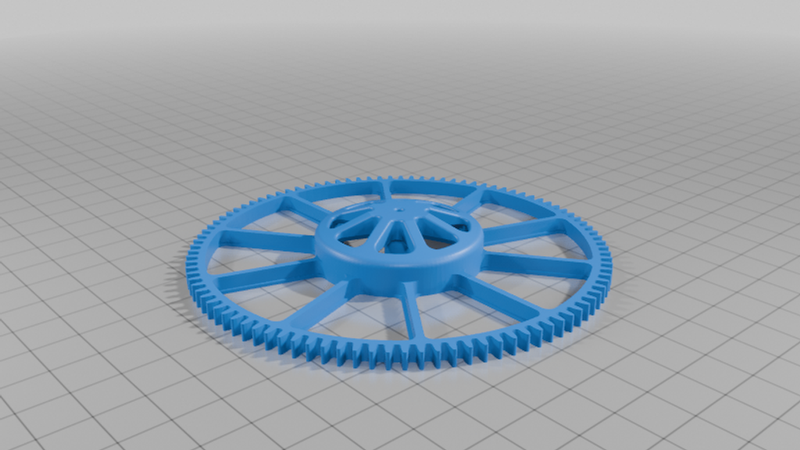
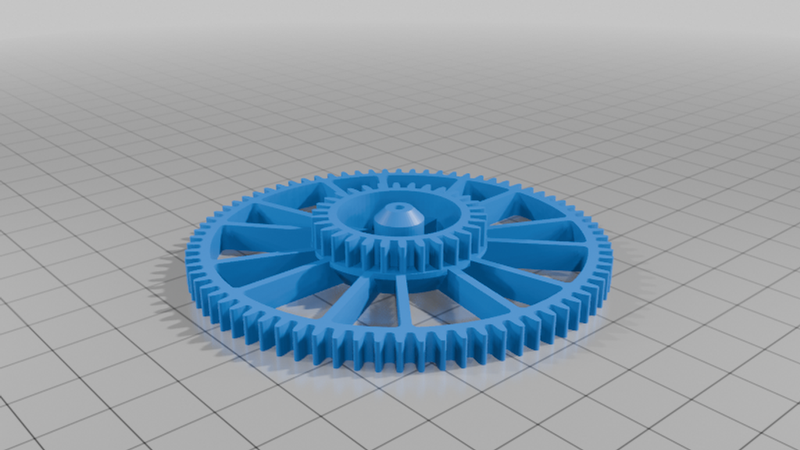
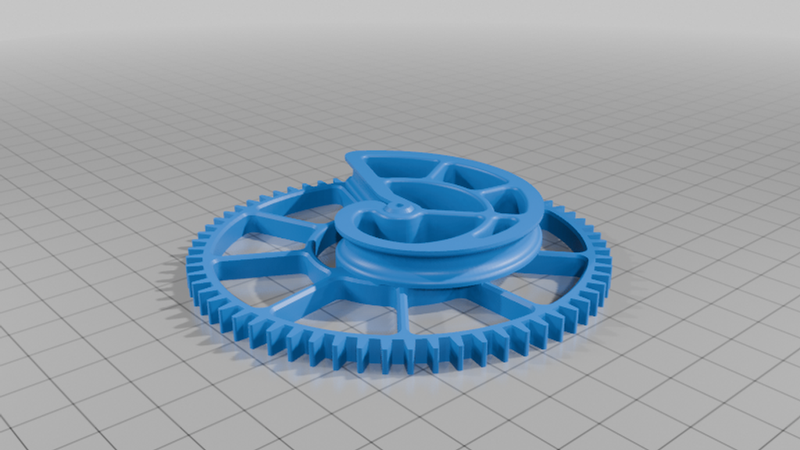
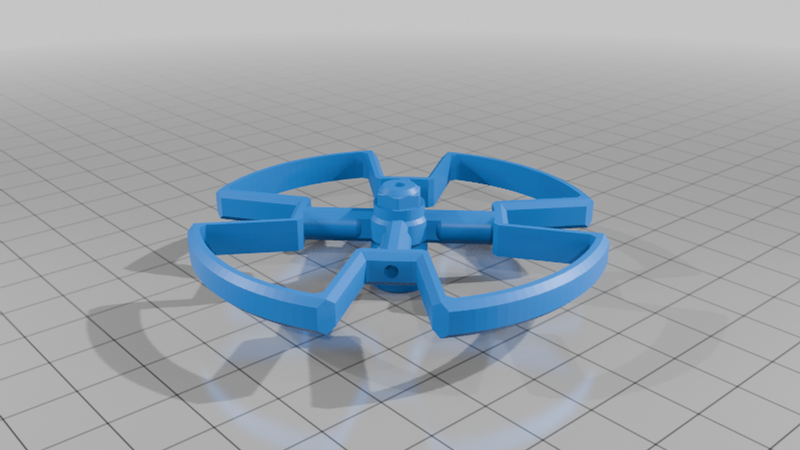

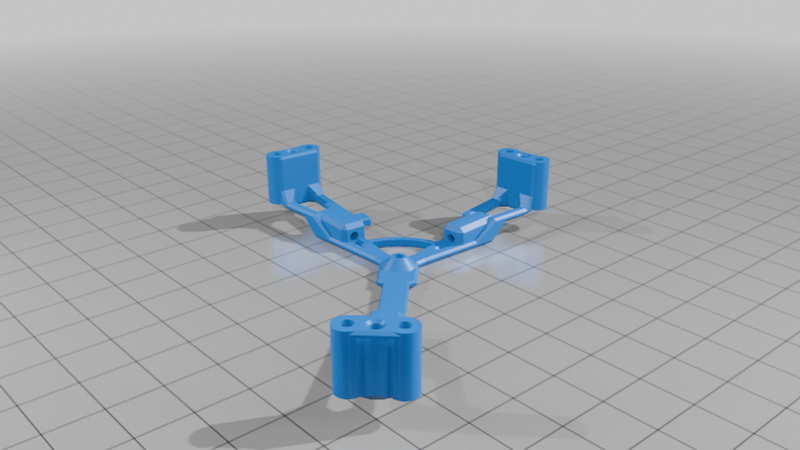
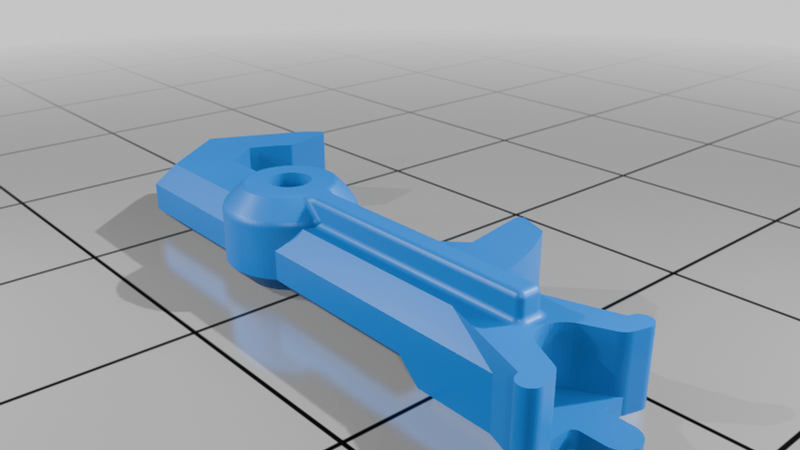
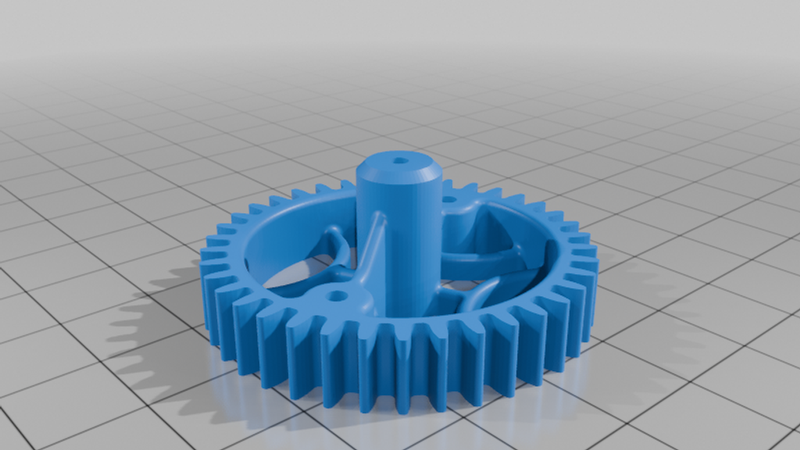
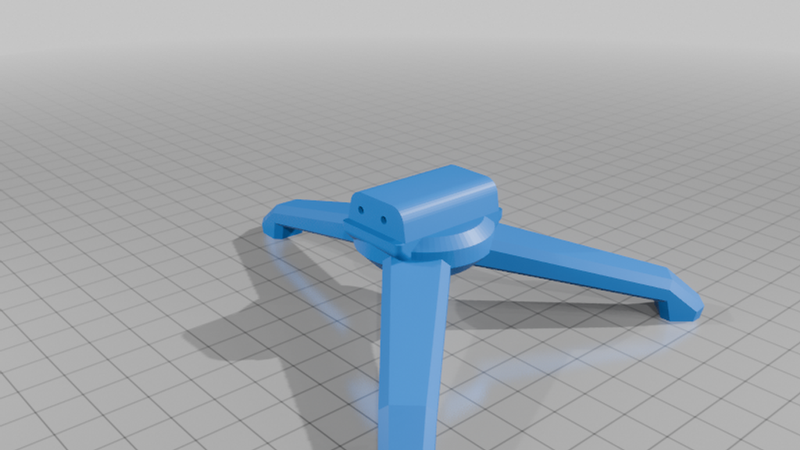
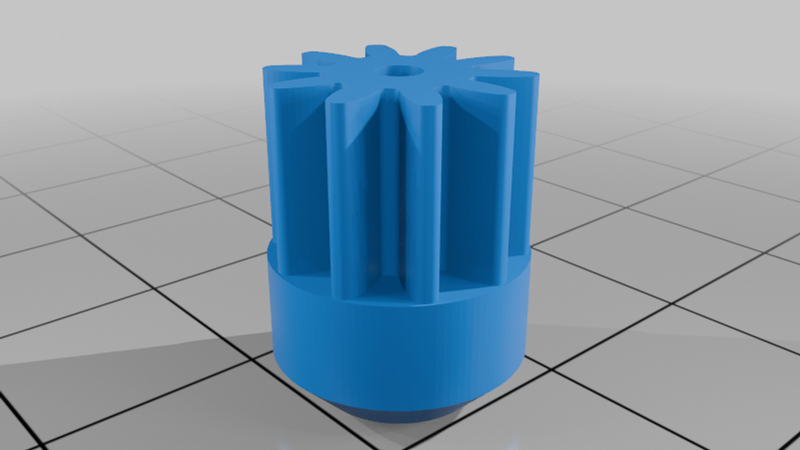
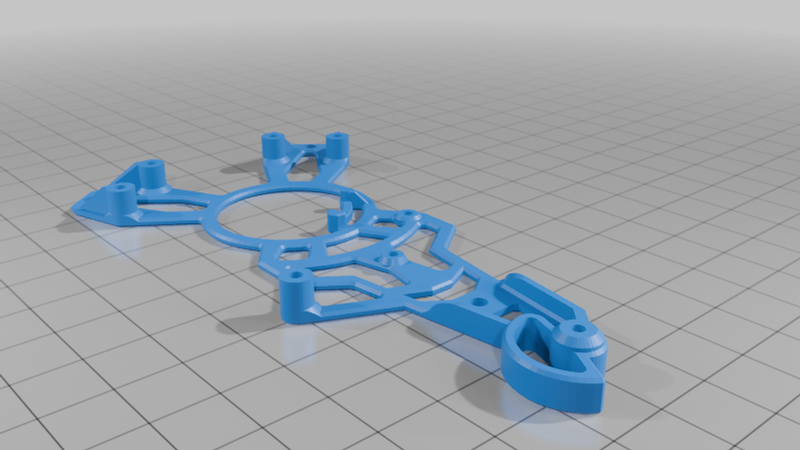
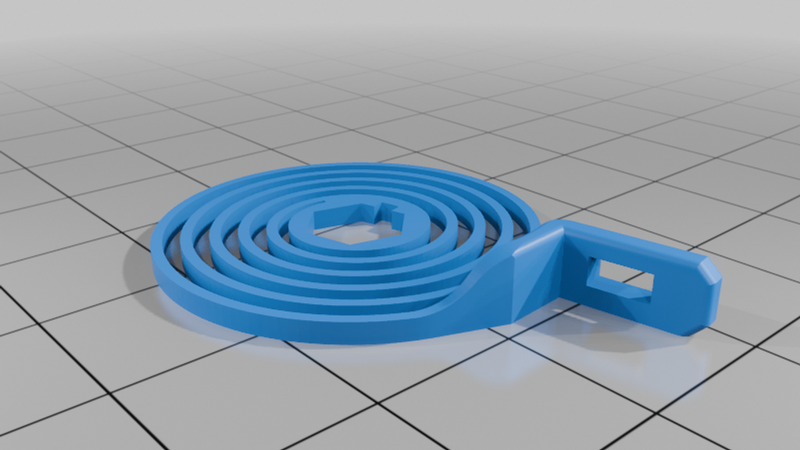
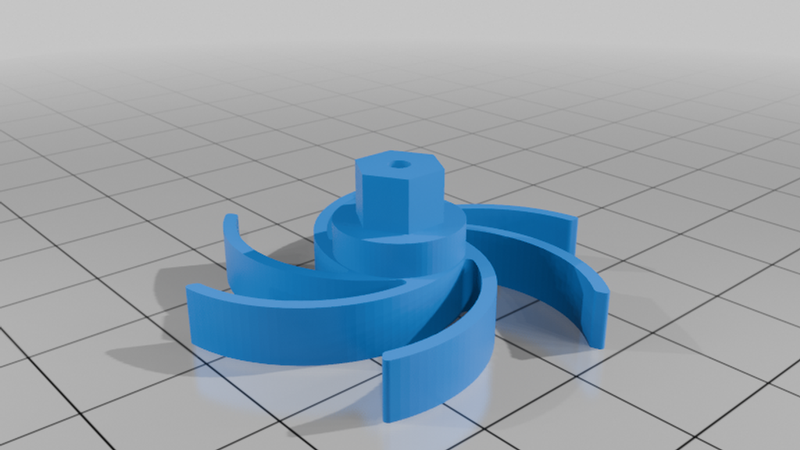
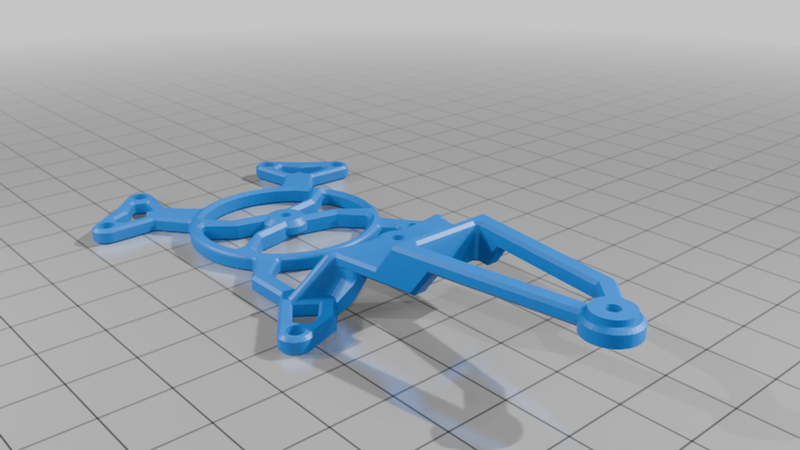
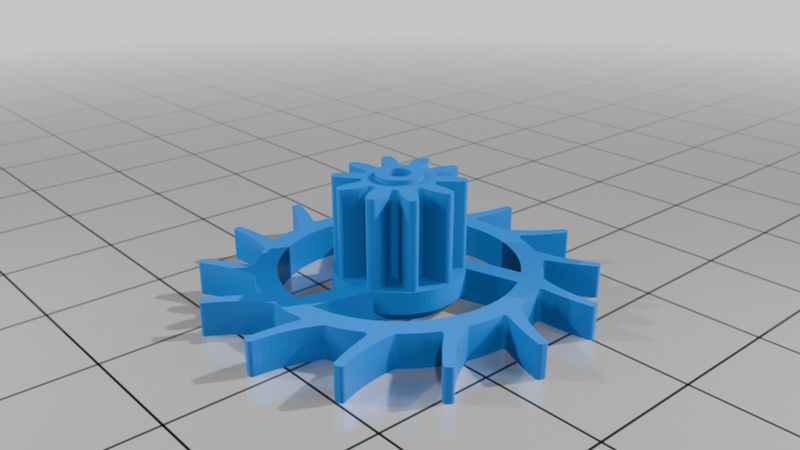
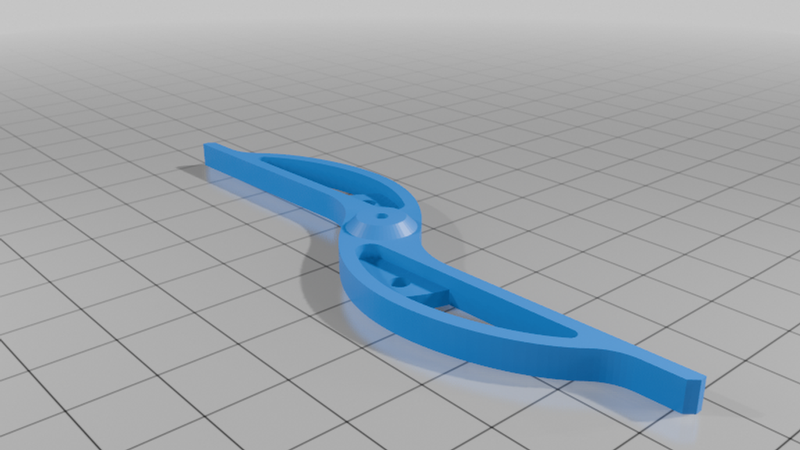
Description
Join my crowdfunding campaign and get the STL files for the Tourbillon Clock:
The remontoir gravity escapement mechanism
How it works: https://youtube.com/shorts/9ise-IaYsfA
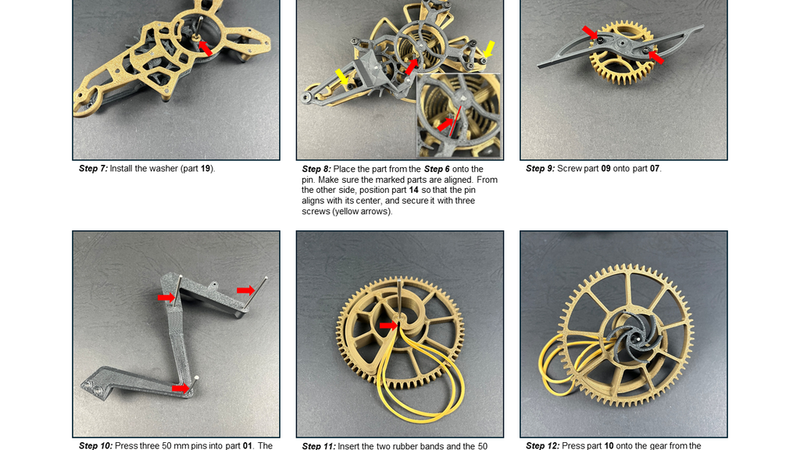
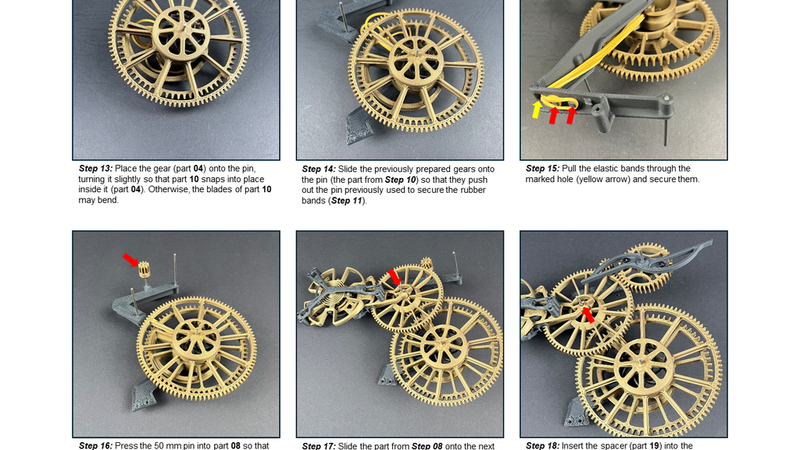
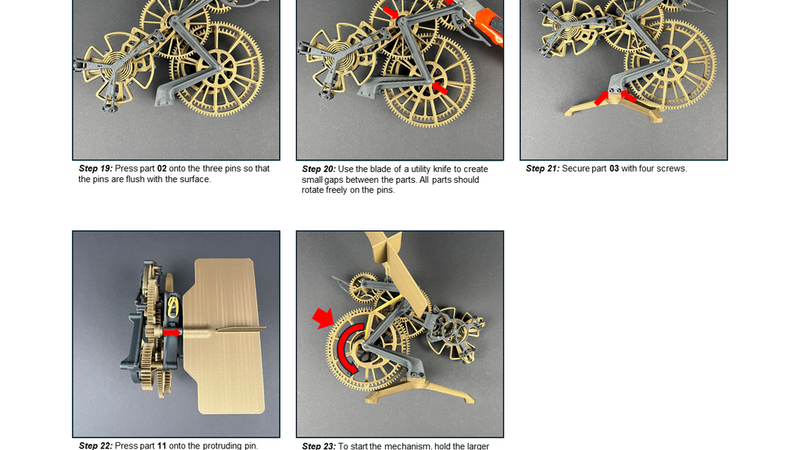
While developing a clock and researching methods to achieve a stable, constant‑force drive—similar to the solutions used in high‑precision mechanical timepieces—I designed this model and decided to share it. The mechanism follows the principles of a traditional remontoire, a device widely used in high‑grade clocks from the 17th century onward.
A remontoire is essentially an intermediate power‑buffering system. Instead of allowing the escapement to be driven directly by the main spring or weight—both of which deliver uneven torque as they unwind—the remontoire periodically rewinds a small secondary spring or lifts a small weight. This secondary element then provides a short, consistent burst of force to the escapement.
Because the remontoire is rewound at regular intervals (often every 30 seconds or every minute), the escapement always receives nearly identical torque, regardless of the state of the main power source.
Historically, this approach was crucial in precision horology. Early clockmakers such as Jost Bürgi, John Harrison, and later Breguet used various forms of remontoire mechanisms to improve rate stability. Before the invention of temperature‑compensated balance wheels and modern alloys, maintaining constant force was one of the few reliable ways to improve accuracy. In tower clocks, remontoires were especially valuable because the heavy driving weights introduced large variations in force as they descended.